Managing Dysphagia
Dysphagia
27/10/2026There are various ways to manage dysphagia, which may include exercises, making changes to the texture or thickness of your food and drinks, using assistive devices while eating and/or drinking, or implementing strategies during mealtimes to help with swallowing.



There are various ways to manage dysphagia, which may include exercises, making changes to the texture or thickness of your food and drinks, using assistive devices while eating and/or drinking, or implementing strategies during mealtimes to help with swallowing. Working closely with your healthcare professional is important to determine the best plan for managing your dysphagia.
Mealtime Tips
Eating and drinking when you have swallowing difficulties can feel overwhelming. Below are some general tips for eating and drinking that a healthcare professional may recommend. It is important to ask your healthcare professional if these tips are right for you before trying any of them. If you’ve been given instructions on how to eat or drink by your healthcare provider, please follow those instructions.
- Eat while sitting upright and avoid lying down while eating
- Eat when you are fully awake and alert
- Avoid distractions while you eat
- If you find it difficult to keep upright while eating, put cushions around yourself for support and to help keep you upright
- Avoid stretching or tilting your neck backwards while you are swallowing
- Take small bites and sips
- Don’t put more food in your mouth until you have swallowed the previous mouthful
- Remain upright for at least 30 minutes after eating a meal
- Try not to talk while you eat; talking opens the airway, making it easier for you to choke and have foods/liquids go into your airway
Texture modification
Some foods and liquids may cause problems for someone with dysphagia. To reduce the risk of aspiration or choking, managing dysphagia may involve changing textures of foods and drinks. Drinks and other liquids may need to be thickened so they are more easily managed in the mouth and throat. Solid foods may need to be chopped, minced or pureed to decrease the amount of chewing required and to reduce the risk of blocking the airway. The thickness of liquids and the textures of food vary according to individual needs. Your healthcare professional can advise you on what texture is right for you.
For more information on modifying the texture of solid foods, visit Adapting your Diet
For more information on modifying liquids, visit Thickening Liquid
Thickeners
Thickeners, or thickening agents, are added to foods and liquids to make them thicker. These thickeners can be used in beverages as well as pureed foods to help create a uniform texture. Thickening agents are developed specifically for those who require texture modified liquids and foods. Traditional food thickening ingredients found in many home kitchens – like flour, cornstarch, and tapioca - may not be suitable for beverages because of changes in taste and challenges in preparing the right thickness.
There are texture-modified foods and pre-thickened fluids that you can purchase. However, if you prefer to prepare your own meals at home, you will often need to use a thickener.
Xanthan Gum Thickeners
Xanthan gum thickeners can be used in a wide range of beverages and foods.
- Xanthan gum thickeners are clear, odourless and tasteless.
- Xanthan gum powders are stable, meaning they do not continue to thicken the prepared food or beverage over time once the desired thickness is reached.
- Xanthan gum thickeners have a special property called “amylase resistance.” This means that liquids thickened with xanthan gum do not change their thickness in the presence of saliva in your mouth, unlike starch thickened beverages which may become thinner.
- Xanthan gum thickeners are also suitable for people who are managing their carbohydrate or caloric intake, as they do not contribute significantly to dietary carbohydrate or calories.
Starch-based Thickeners
Like xanthan gum thickeners, starch-based thickeners can also be used in a wide range of liquids and foods. Some benefits of starch-based thickeners include:
- They help pureed foods achieve a cohesive, uniform texture and quickly thicken most foods without separation, gelling, or clumping.
- You can continue to add additional powder to foods and liquids to increase the thickness if needed.
However, there are also some challenges associated with using starch-based thickeners:
- They may take longer for foods and beverages to thicken, and they will continue to thicken over time compared to xanthan gum thickeners.
- When heating foods or fluids to a very high temperature, the starch may break down and the liquid will thin, impacting the desired thickness of the prepared food or drink.
- Starch-based thickeners are not resistant to the enzyme amylase that is present in the saliva of your mouth, which means that when a starch-based thickener is used, your saliva can break down the starch in your thickened beverage causing it to become thin in your mouth.
Can make some fluids appear cloudy.
Know more about the subject
Dysphagia

What is Dysphagia?
Dysphagia is defined as difficulty swallowing. It can include a variety of challenges that may impact eating and drinking.
Dysphagia

Drinking with Dysphagia
Some regular fluids may cause problems for someone with dysphagia.
Dysphagia
Eating with Dysphagia
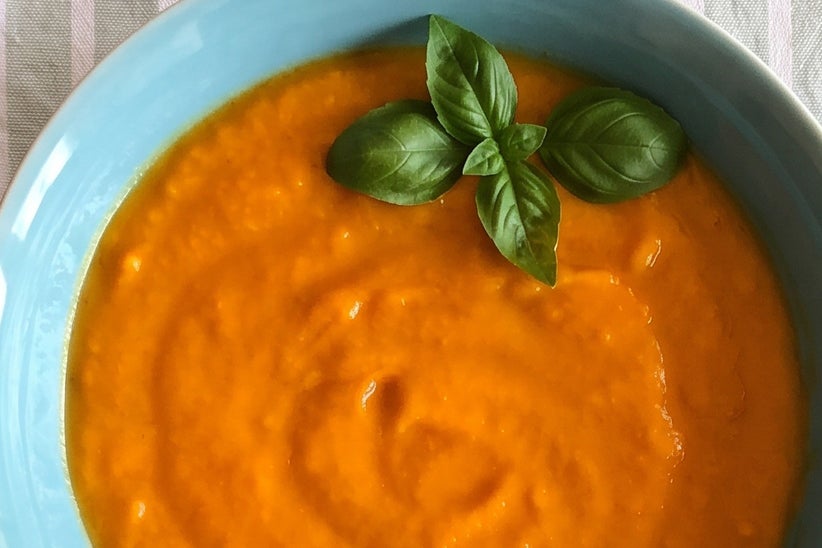
Good nutrition is very important and can be challenging for people with dysphagia, as swallowing difficulties may result in eating or drinking less.