Eating with Dysphagia
Dysphagia
27/10/2026Good nutrition is very important and can be challenging for people with dysphagia, as swallowing difficulties may result in eating or drinking less.


Nutrition in dysphagia management
Good nutrition is very important and can be challenging for people with dysphagia, as swallowing difficulties may result in eating or drinking less.
Individuals with swallowing difficulties should continue to eat balanced meals and snacks. You can do this by1:
- Emphasizing small, more frequent meals (for example, three meals and three snacks per day), as well as high calorie and high protein foods and drinks, to help you get enough nutrition and hydration.
- Increasing the variety of meal choices, and snacks between meals to provide adequate nutrition.
- Focusing on getting enough calories, protein, fibre, fluids, and key micronutrients (vitamin D, vitamin K, vitamin E, B vitamins, Calcium, Magnesium, Potassium, Zinc).
How do texture-modified foods and fluids help with safer swallowing?
For people living with dysphagia, the muscles that are responsible for safe swallowing may be weak, which may lead to foods or liquids going down the wrong way, into the airway, rather than into the stomach. Thickened liquids and texture-modified foods may help with swallowing safety by slowing down the movement of liquids in the mouth and throat and creating food textures that are easier to chew and manage in the mouth.Thickened liquids move more slowly and are often easier to handle in the mouth. Changing the texture of food can make it easier to chew and get the food ready to swallow.
Ask your healthcare professional about foods that may be easier for you to eat, and those that may be more challenging. In the meantime, see below for some examples of foods that may be difficult to eat for some people living with dysphagia:
- Thin liquids (If you have been recommended to thicken your liquids by a healthcare professional)
- Juicy foods, which may have one consistency on the plate but separate into liquid and solid once in the mouth, such as watermelon
- Chewy or sticky foods like sweets or dried fruit
- Tough food, such as some cuts of meat, like steak
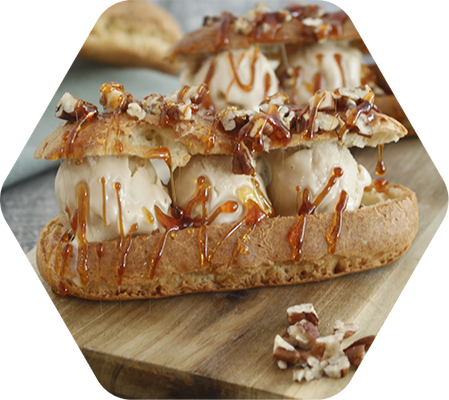
- Any foods with a crust or crispy topping, like mac and cheese or battered fish
- Bread or bread products, such as muffins
- Stringy, fibrous textures (pineapple, celery, lettuce, bacon)
- Vegetable and fruit skins (broad beans, baked beans, soya beans, peas, grapes)
- Mixed consistency foods (soup with lumps, stewed fruit, minced meat with thin gravy, hard or gritty cereals such as muesli which do not blend with milk)
- Crunchy foods (toast, biscuits, crackers, nuts, flaky pastry, crisps)
- Crumbly foods (bread or pie crusts, crumble biscuits)
- Hard foods (such as hard candies, nuts and seeds)
- Husks (sweetcorn, brown breads, seeds, beans, popcorn)
Adapting your Diet
A dysphagia diet has two separate parts: liquids and solid foods. Based on an assessment of your swallowing ability, your healthcare professional will tell you what liquid and/or solid food consistencies are right for you. Always follow the advice and instructions from your healthcare professional.
Some examples of modified food consistencies your healthcare professional may recommend:
Soft and bite-sized
Soft, bite-sized foods can be eaten with fork, spoon, or chopsticks. With this consistency, the ability to chew “bite-sized” pieces is required before swallowing. A knife is not necessary to cut this type of food, which can also be mashed with a fork. The bite-sized pieces should be no larger than 1.5 x 1.5 cm (0.6 x 0.6 inches) for adults. For examples of soft and bite-sized foods and to learn more about how to test your food to make sure it is the right texture visit: Soft & Bite-Sized.
Minced and Moist
Minced and moist foods can be eaten with a fork or spoon. Minced and moist foods should be soft and moist and can be scooped and shaped. No thin liquid should separate from the food. It may have small visible lumps that are easy to mash with the tongue, and they should be no larger than 4 mm for adults. For examples of minced and moist foods and to learn more about how to test your food to make sure it is the right texture visit: Minced & Moist.
Pureed
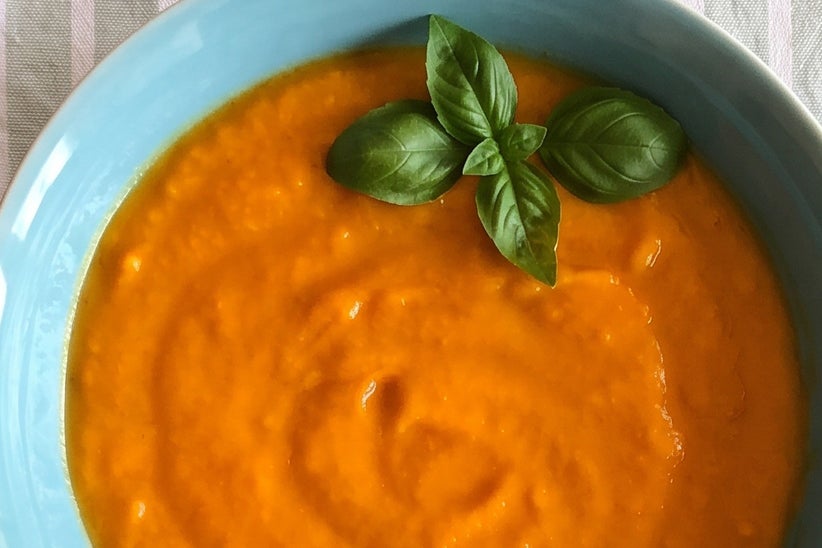
Pureed foods refer to foods that are pureed to a uniform, cohesive texture without lumps that don’t require chewing and are usually eaten with a spoon. Liquids must not separate from the solid, and the food must be lump free and not sticky. For examples of pureed foods and to learn more about how to test your food to make sure it is the right texture visit: Pureed.
Liquidized
Liquidized food can be eaten with a spoon or drunk from a cup but cannot be eaten with a fork because it drips through the fork prongs. It has a smooth texture with no lumps, fibers, husk, bits of shell or skin, particles of gristle or bone. For examples of liquidized foods and to learn more about how to test your food to make sure it is the right texture visit: Liquidized.
Modified food consistencies:
For more information on modified food consistencies, visit the International Dysphagia Diet Standardisation Initiative (IDDSI) website. IDDSI is a globally recognized organization whose mission is to facilitate the safe consumption and enjoyment of food and drink by people living with dysphagia. They provide easy-to-read information about IDDSI modified food consistency levels and their testing methods, as well as examples of foods for each level, and food textures to avoid.
Please consult with your healthcare professional to find out what modified food consistencies are right for you.
How to make meals more nutritious and appealing
- Go for enjoyable and tasty dishes, add any spices that you desire while adjusting to the recommended consistency.
- Include ingredients from all food groups (fruits and vegetables, carbohydrates, and proteins)
- Avoid overcooking vegetables to keep their great taste and nutritional value.
- Use a variety of colored vegetables to enhance taste.
- Serve meat and vegetables separately to appreciate the best of each.
- Use moulds to present pureed / blended foods in forms that enhance their appearance.
- Serve meals at the right temperature to maximize their taste
- Spread out meals throughout the day
- Do not forget to snack
- If you require texture-modified foods, consider using store bought prepared texture modified foods, for convenience or when away from home.
Preparation tips
- People with dysphagia often find it hard to eat enough food and drink enough fluids, which can lead to weight loss, dehydration, and malnutrition. To help prevent this, use high-calorie ingredients such as full-fat milk, butter, sugar, or cream in your cooking, where appropriate.
- Carefully consider the best cooking methods to achieve the necessary texture. For example, poaching or simmering will soften ingredients, making them easier to purée.
- You can add flavor by browning and roasting ingredients prior to poaching and simmering.
- Plan meals so that you have a range of colors on the plate, making them more appealing to the eye and more appetizing.
Blending tips
- Use a powerful blender and/or food processor to produce smooth consistencies with minimal effort. After blending, always pass through a strainer afterward to ensure no lumps remain.
- Often, blenders don’t work well with small quantities of food. If you purée more than you need, portion the remainder and freeze, or use as a base for a soup.
- Hot food breaks down more easily than cold food. So where possible, purée when food is still hot (but not boiling). Check your blender to see if it is suitable for hot food first.
- Leave your food processer running for longer – the purée will become smoother and thicker the longer it is blended.
- Boil or steam solids to give them a smoother, more uniform texture that can be easily made into a puree.
- Chop the food into small pieces before filling the blender.
- With solid or drier food, add extra liquids, such as milk, cream, non-dairy alternatives, or any other sauces.
- Adapt the consistency of the food, using a thickening agent, following the recommendations from the healthcare professional and guidance based on IDDSI Framework (www.iddsi.org).
- To soften and add moisture to dishes, you may add oil, butter, or cream.
- Before serving, make sure the food has a smooth and uniform texture (without lumps) that will allow safe swallowing.
For more information on tips on pureeing foods, visit Pureed Diet Tips | National Foundation of Swallowing Disorders.
The information is for educational purposes only. The information is not intended to replace medical advice. If you have any questions, please ask your healthcare professional.
NOTE: Avoid ordinary ice cream, ice pops or jelly unless a healthcare professional tells you they are okay for you. Ice cream and ice pops turn to thin liquid in the mouth, and jelly breaks up into small pieces that may be hard to control.
References
- Ballersteros-Pomar, MD et al, J Nutr Health Aging. 2020. 24(6):576-581.
Know more about the subject
Dysphagia

What is Dysphagia?
Dysphagia is defined as difficulty swallowing. It can include a variety of challenges that may impact eating and drinking.
Dysphagia

Managing Dysphagia
There are various ways to manage dysphagia, which may include exercises, making changes to the texture or thickness of your food and drinks, using assistive devices while eating and/or drinking, or implementing strategies during mealtimes to help with swallowing.
Dysphagia

Drinking with Dysphagia
Some regular fluids may cause problems for someone with dysphagia.